
Posted By
Published Date
Viewes

Attention monitoring has become increasingly important in today’s fast-paced world, where distractions are plentiful and focus is a scarce resource. Fortunately, advances in artificial intelligence (AI) are transforming the way we monitor and improve attention. In this blog post, we’ll explore how AI is changing the game and revolutionising the field of attention monitoring.
What is an AI-based attention monitoring system?
A technical solution that records and examines the behaviour of users to find patterns associated with attention, focus, and concentration is an AI-based attention monitoring system. Machine learning algorithms are used by the system to find identifiable trends and patterns in the data and give the user feedback.

An AI-based attention monitoring system, for instance, might use eye-tracking technology to track how long a person stares at their computer screen or how frequently they glance away. Additionally, sensors might be used to track heart rate variability, which can reveal information about stress levels and attention span in general.
Examples of AI-based attention monitoring systems
AI-based attention monitoring systems are already being used in a variety of settings, from the workplace to the classroom. Here are a few examples:
Overall, attention monitoring systems can have a broad range of applications in various industries to improve safety, productivity, engagement, and personalization.
Advantages of using an AI-based attention monitoring system
The way we monitor and enhance attention is changing via AI-based monitoring technologies. These systems can assist people and organisations in maximising performance and enhancing overall well-being by monitoring user behaviour and offering feedback. However, it’s crucial to use these technologies appropriately and weigh their potential benefits and drawbacks. We can anticipate seeing even more cutting-edge approaches to attention monitoring in the future as AI technology develops.

The tremendous computing horse-power and bandwidth offered by cloud

The real-time collection of data and analysis is critical for today’s world

Facial recognition technology is widely used as a security mechanism in areas
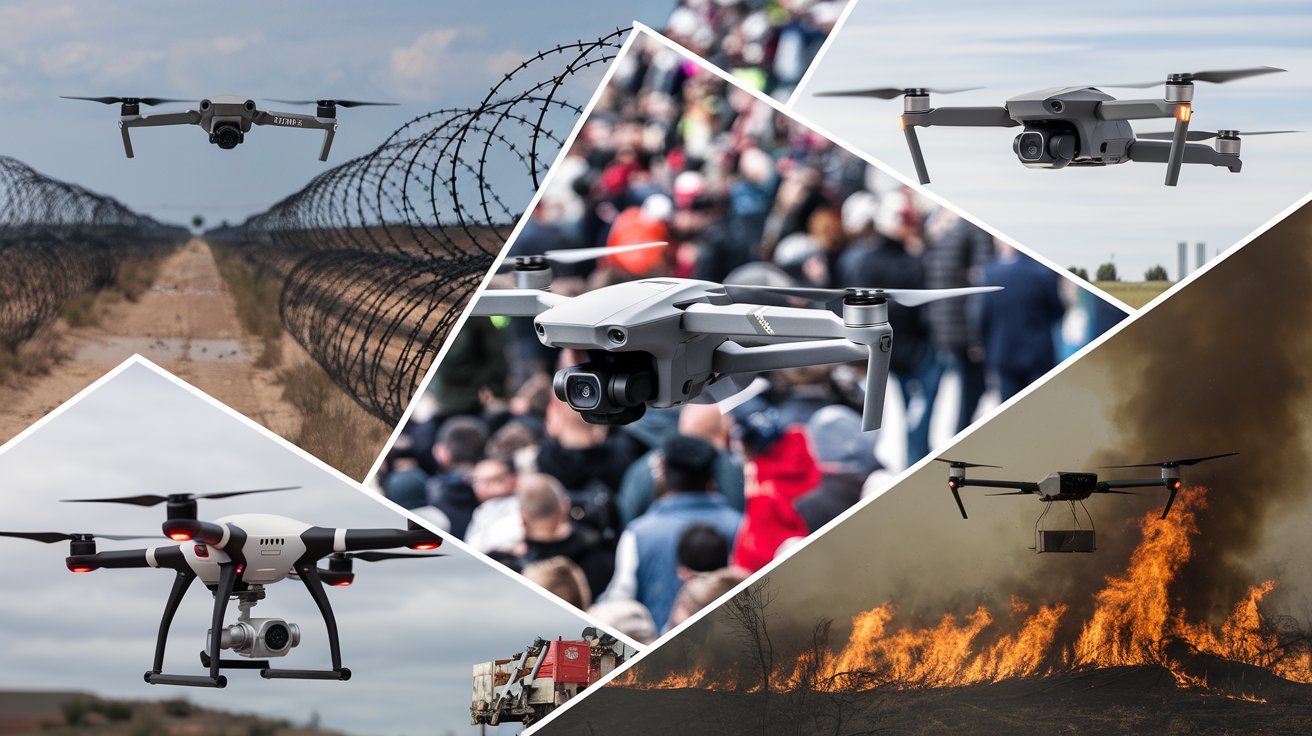
A smart fencing system using AI is a system that uses artificial intelligence algorithms
Attention monitoring has become increasingly important in today’s fast-paced world
Attention monitoring has become increasingly important in today’s fast-paced world

